
Pinhole Leaks: What They Are and How Hard Water Can Contribute
Pinholes often start quiet: a stain, a meter that still turns, a musty smell. Hard water and aggressive chemistry can both play a part. Here's how we sort it.
By New Direction Plumbing · Serving the Springfield metro
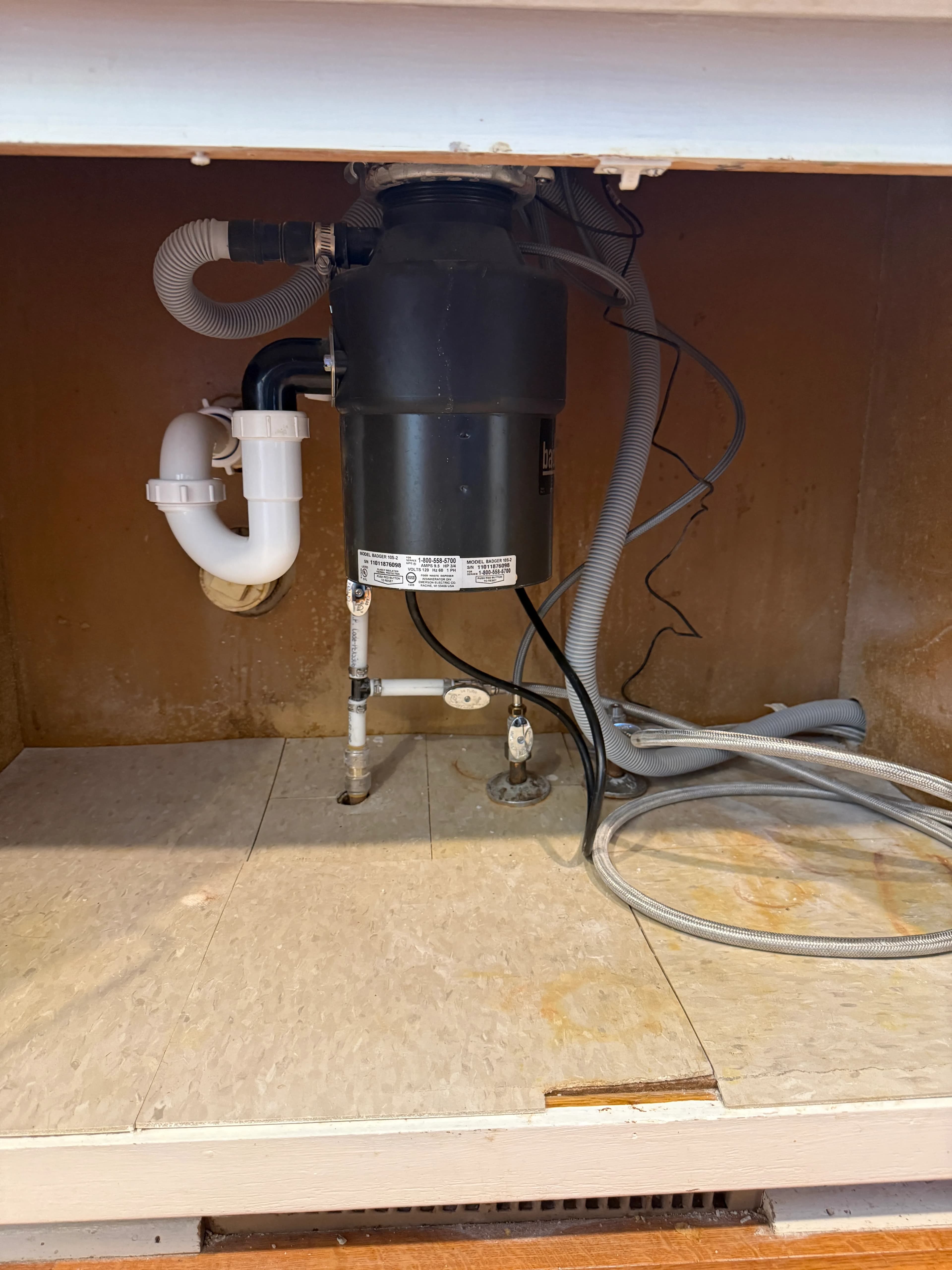
Pinhole Leaks: What They Are and How Hard Water Can Contribute
Pinholes versus fittings failures
True pitting often emerges mid-run—not exclusively at joints—guiding isolation strategy.
Chemistry stacks factors
Hardness alone rarely writes the entire story—velocity, galvanic couples, and legacy flux residues collaborate.
Detection workflow
Acoustic listening, pressure decay tests, and selective access minimize drywall tax—/faq/leak-detection.
Hard water primer: /hard-water-faq.
Documentation discipline
Photo timelines support adjuster conversations—pair moisture readings when safe.
Quick FAQs
Insurance covers?
Sudden breaks sometimes—chronic neglect rarely—document anyway.
Whole-house repipe?
Case-dependent—we map phased repairs honestly.
DIY epoxy?
Rarely matches code-compliant repairs—risk disclosure matters.
Ready for clearer answers?
Dive deeper in our FAQ hub, explore hard water & softening, or browse services to match your job.